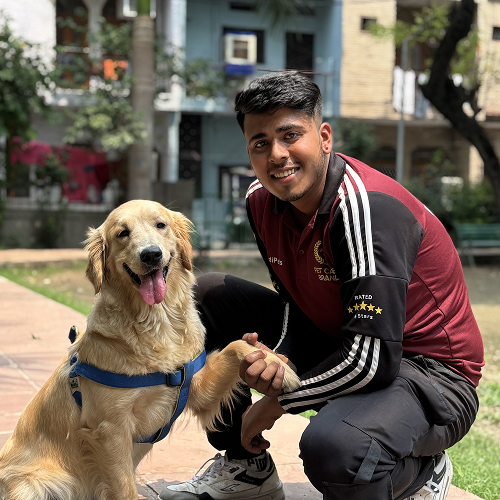
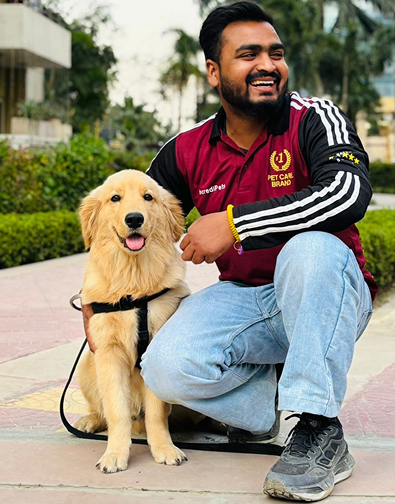
Pradeep TiwariSenior Training Professional
9 yrsExperience
4.8★Parent rating
95%On-time
Science-backed. Positive reinforcement. No aversives.
15,000+ dogs trained across Mumbai MMR · 4.7★ pet-parent rating · Open 9–9, all week
Pulling, barking, jumping, bolting — the everyday behaviour that makes life hard, fixed at home with a plan built around your dog.
A walk should not be a tug-of-war. We build a loose leash that holds, even past distractions.
Loose-leash walking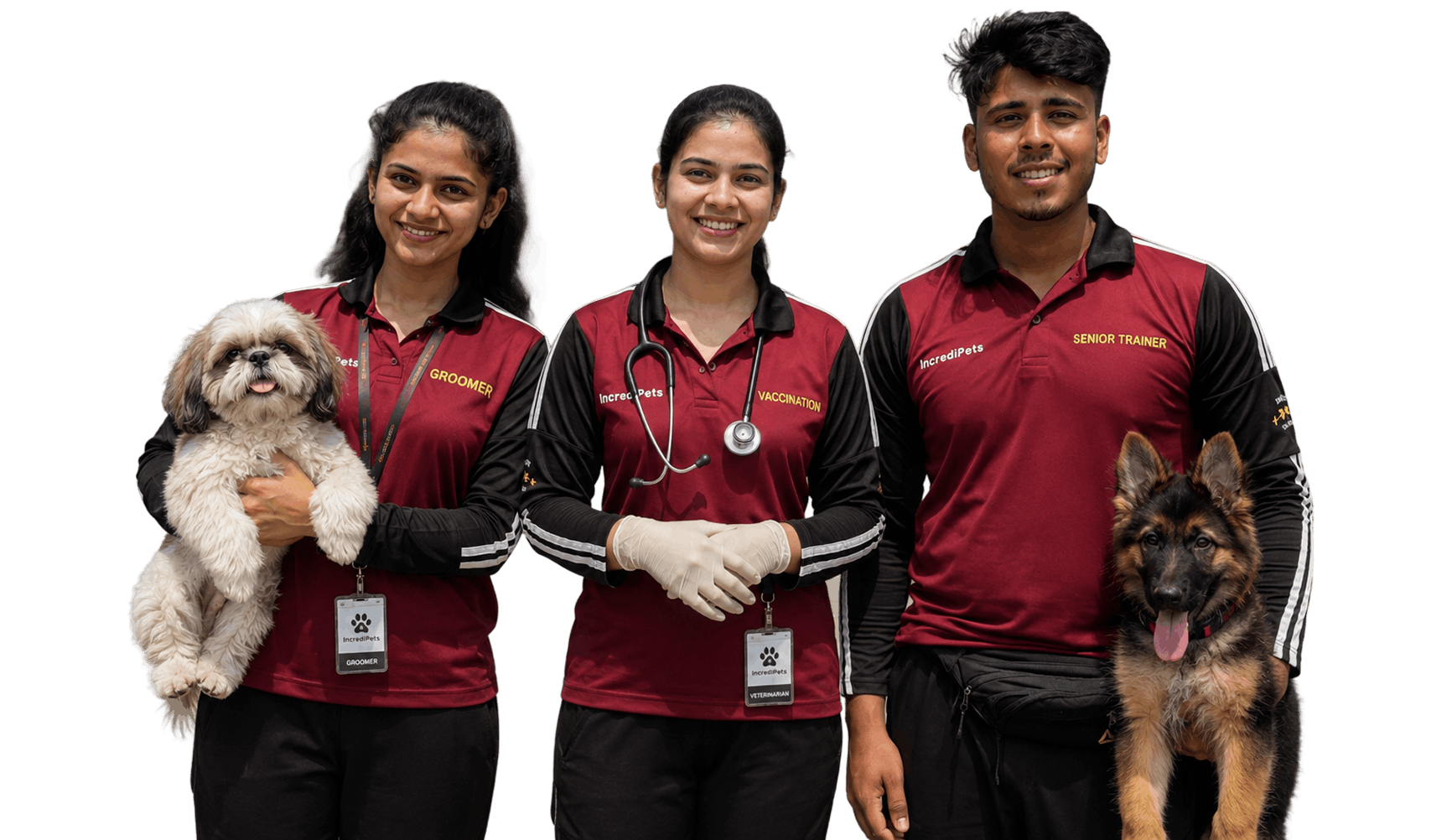
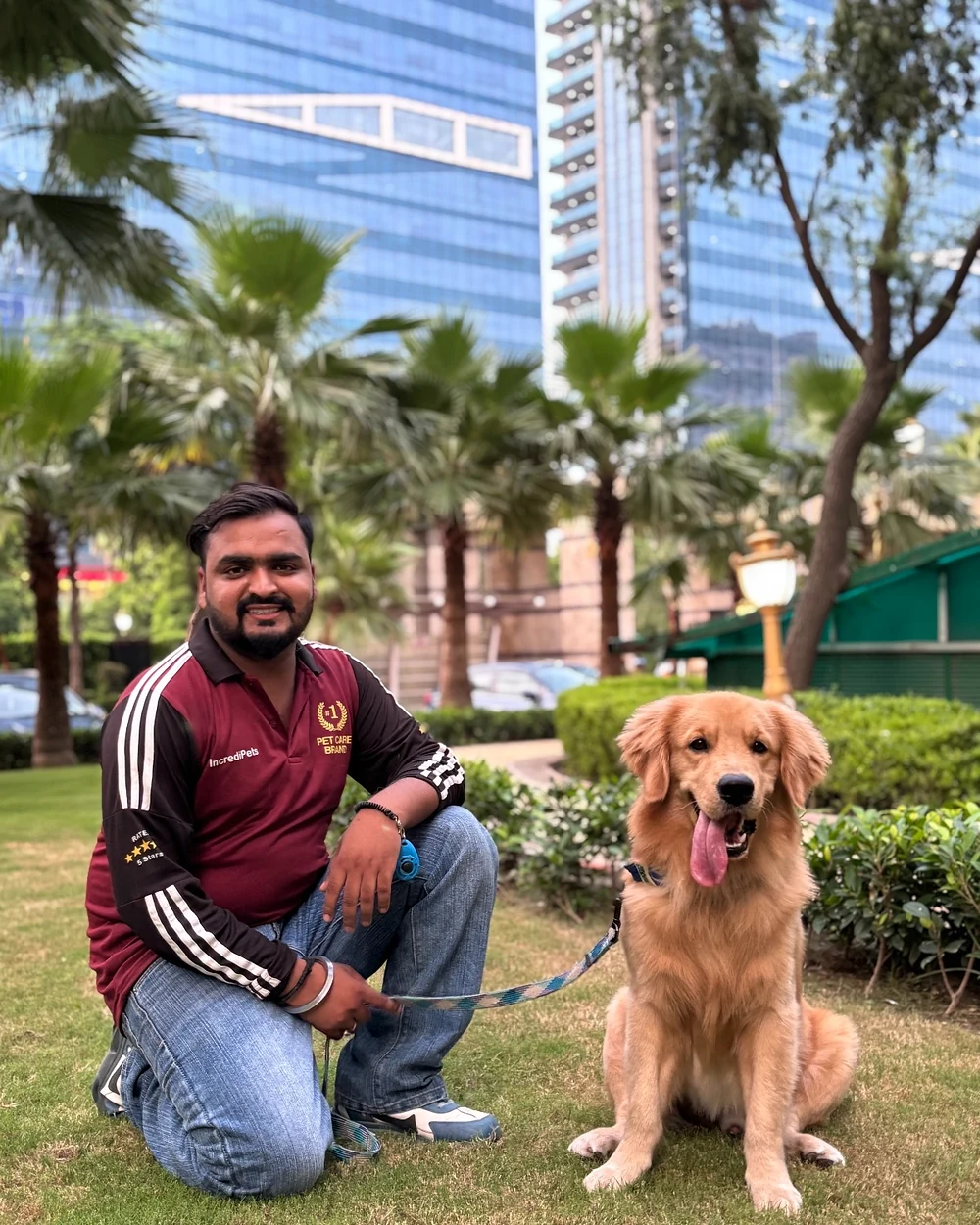
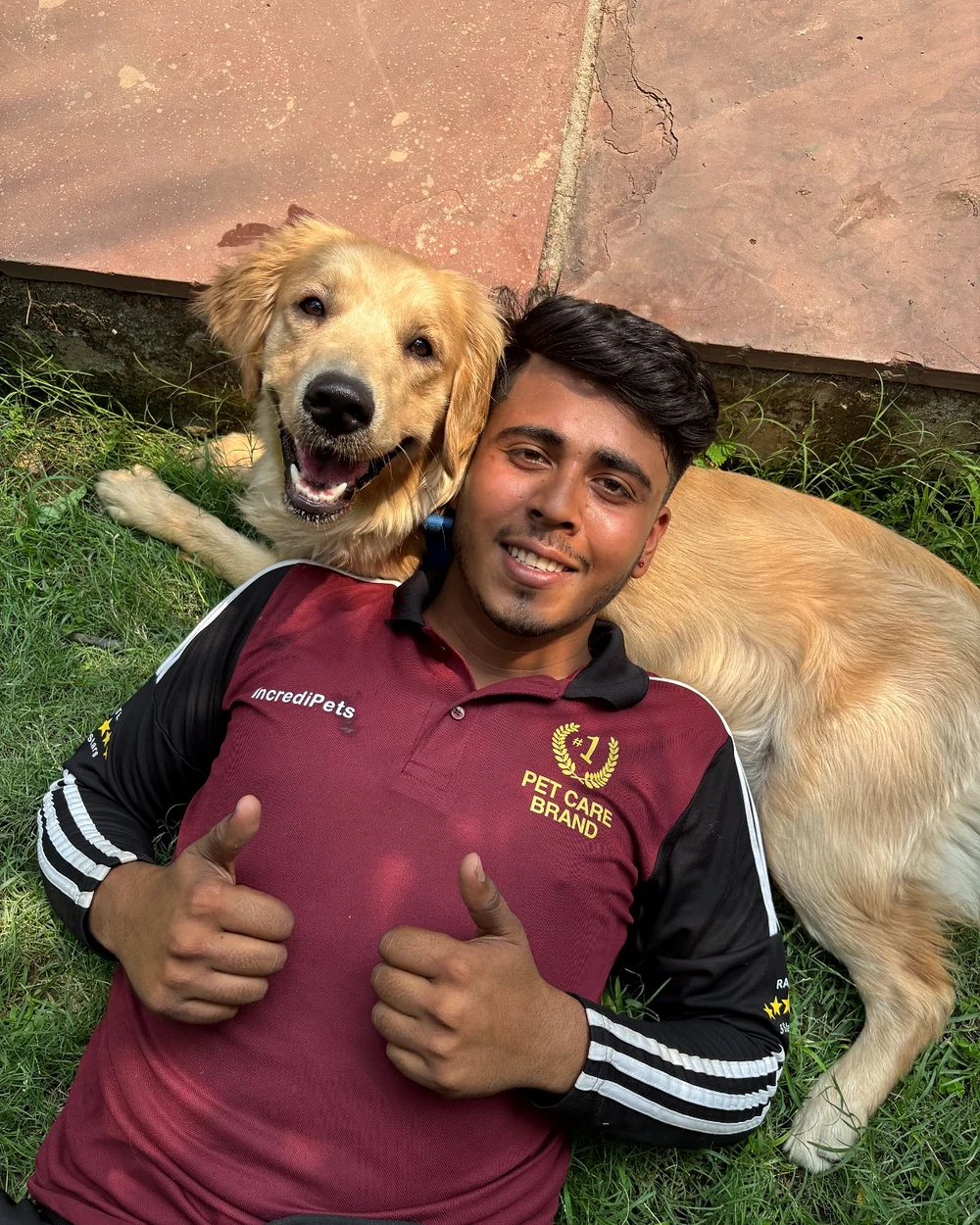
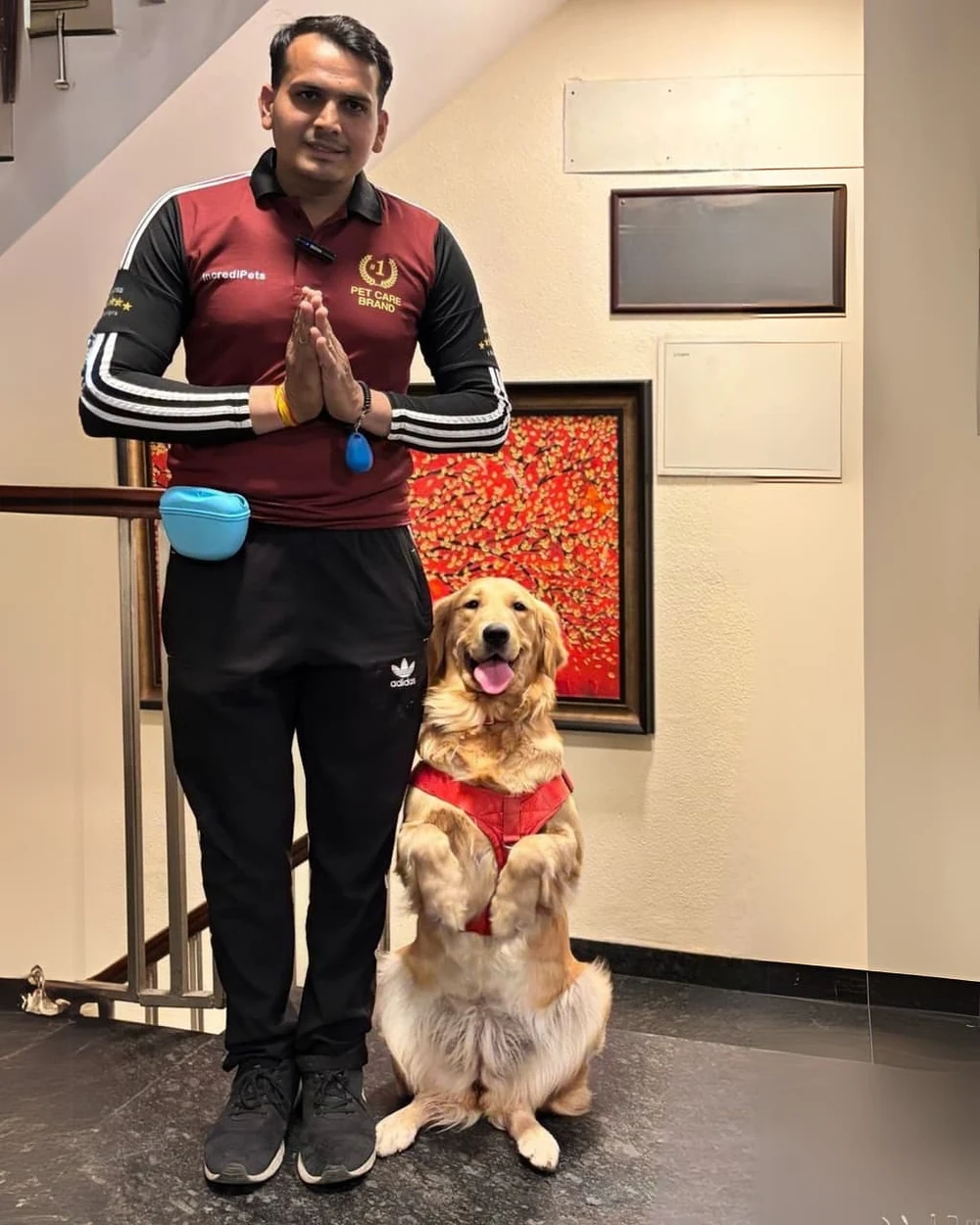
IncrediPets professionals in uniform, at your door — matched to your locality and your dog's problem, background-checked before they are assigned, and reviewed by pet parents after every single session.
Not tricks. Measurable behaviour change.
Two levers do most of the work: reward timing and working distance. Here's each one, in plain terms.
Reward every rep at first, then make it unpredictable. A reward that comes sometimes sticks harder than one that comes every time. It's the same pull a slot machine has.
Past the line, stress takes over and your dog stops learning. Nothing you say lands. So we train just below it, then move the line closer to the trigger, session by session.
Body language, trigger list and threshold measured at your home before any drill is prescribed.
Session 1Behaviours are built from small wins, each one reinforced.
Never a choke, prong or shock collar
No aversivesA sit that only works in the living room isn't trained. We repeat it in the lobby, the lift and the street.
3+ real placesThe trainer coaches you too, not just your dog. You learn the cues, the timing and the handling, so the behaviour holds long after the sessions end.
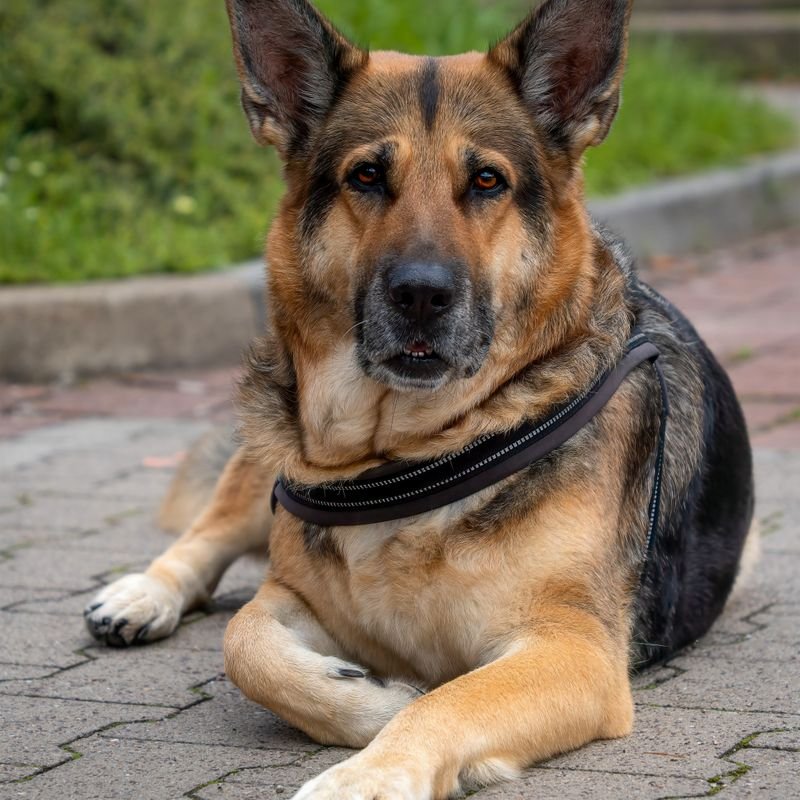
You learn tooGerman Shepherd to Indie — the plan changes with the dog. Here is how at-home dog training in Mumbai is customised for the breeds we train the most.
 Guard breed
 Family
 Family
 Companion
 Guard breed
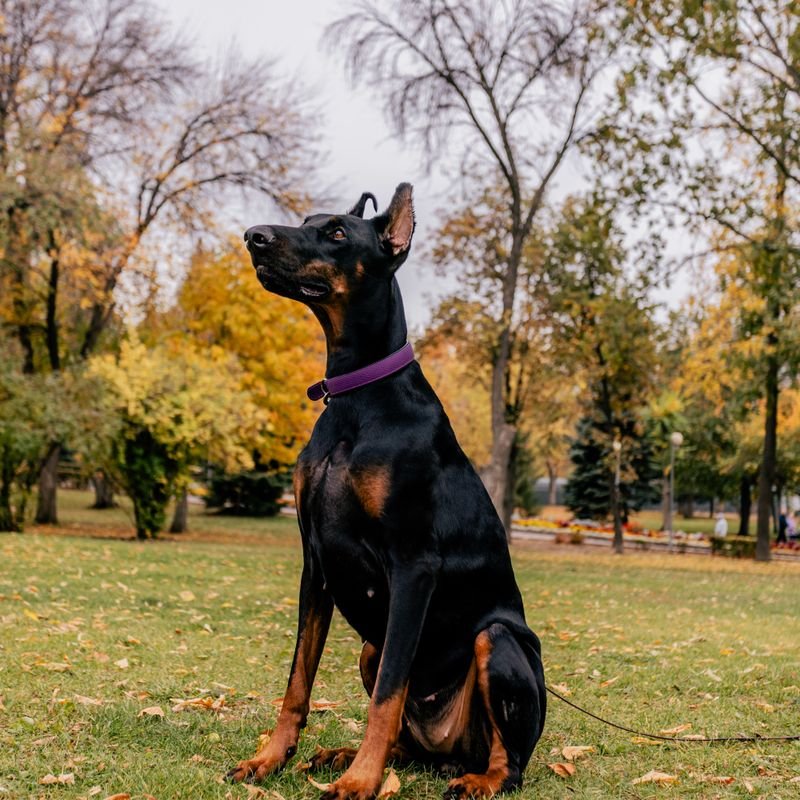 Guard breed
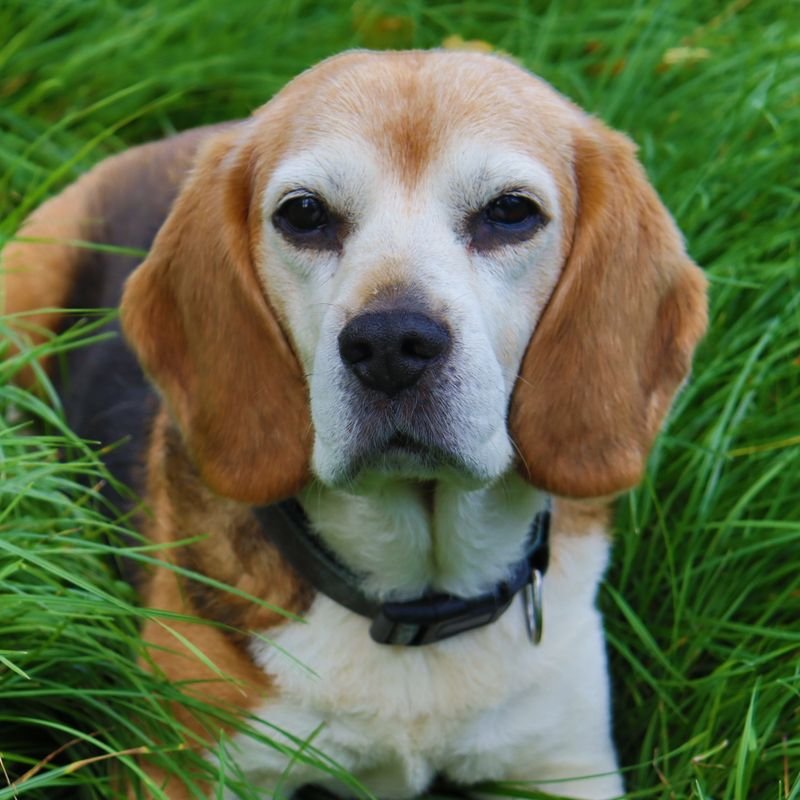 Hound
Hound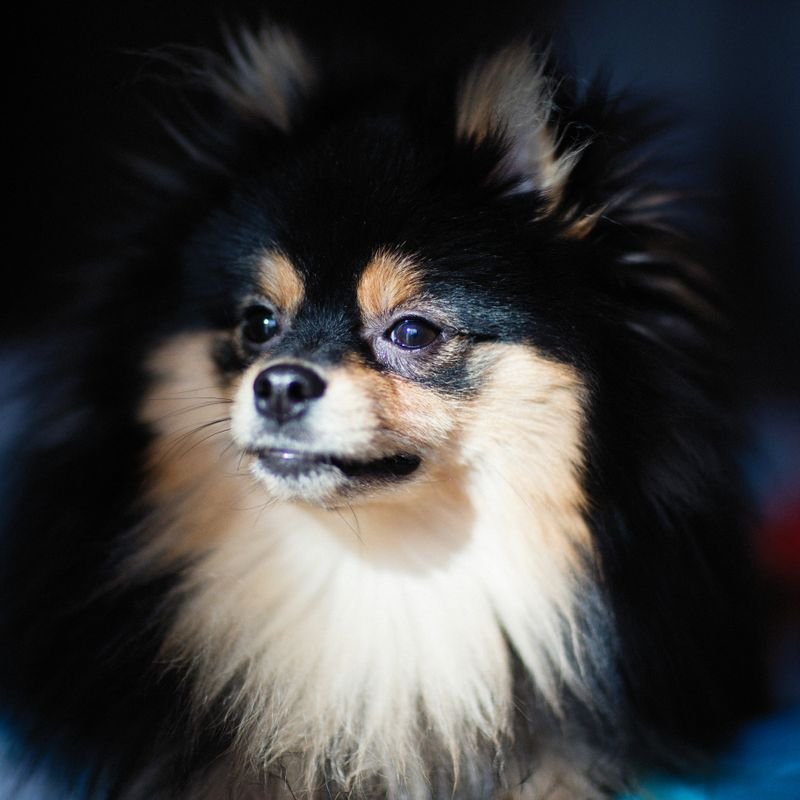 Companion
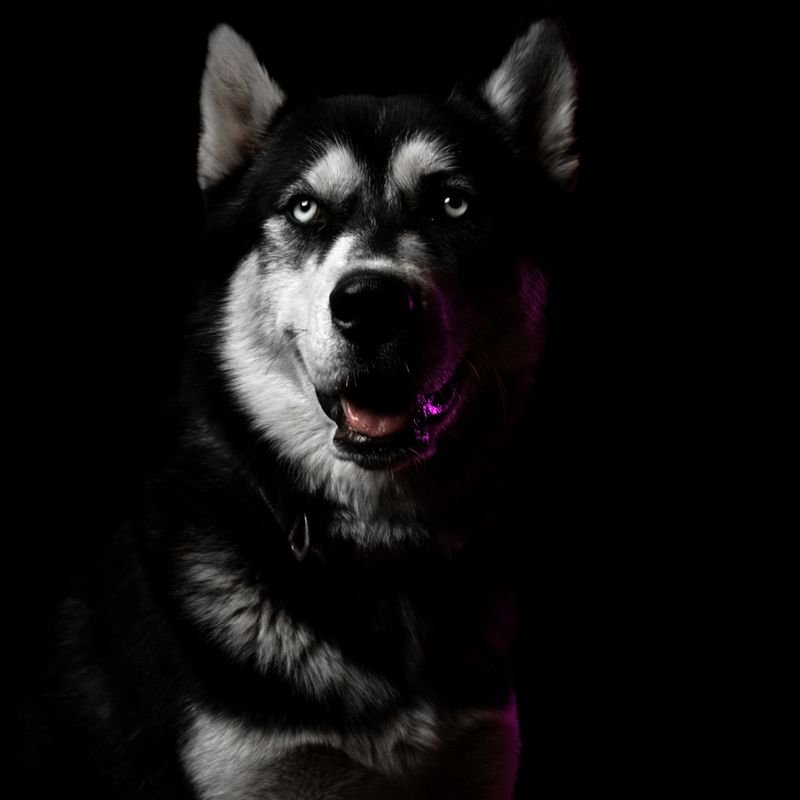 Working
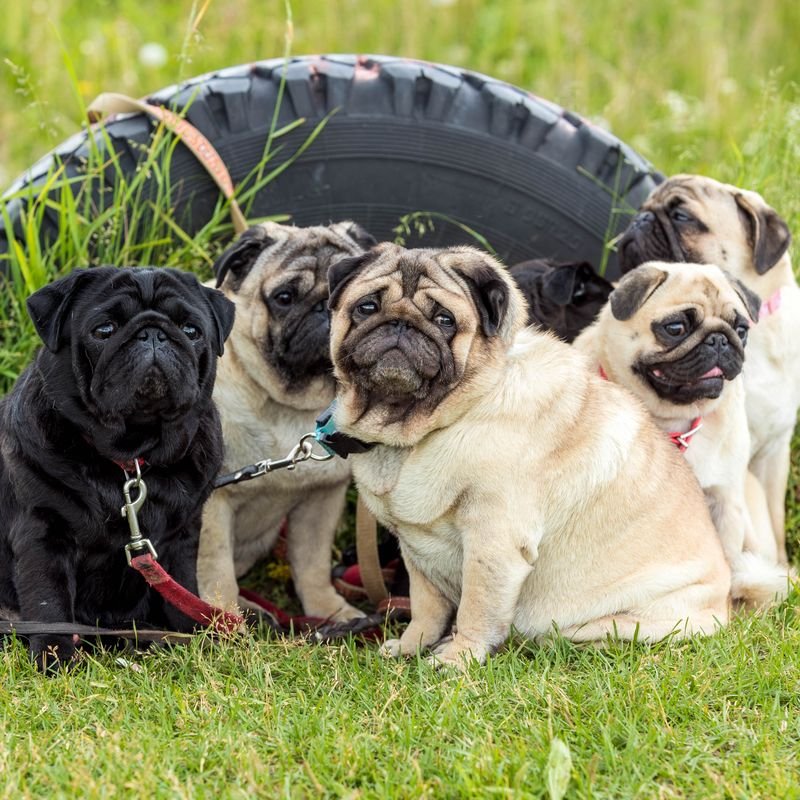 Companion
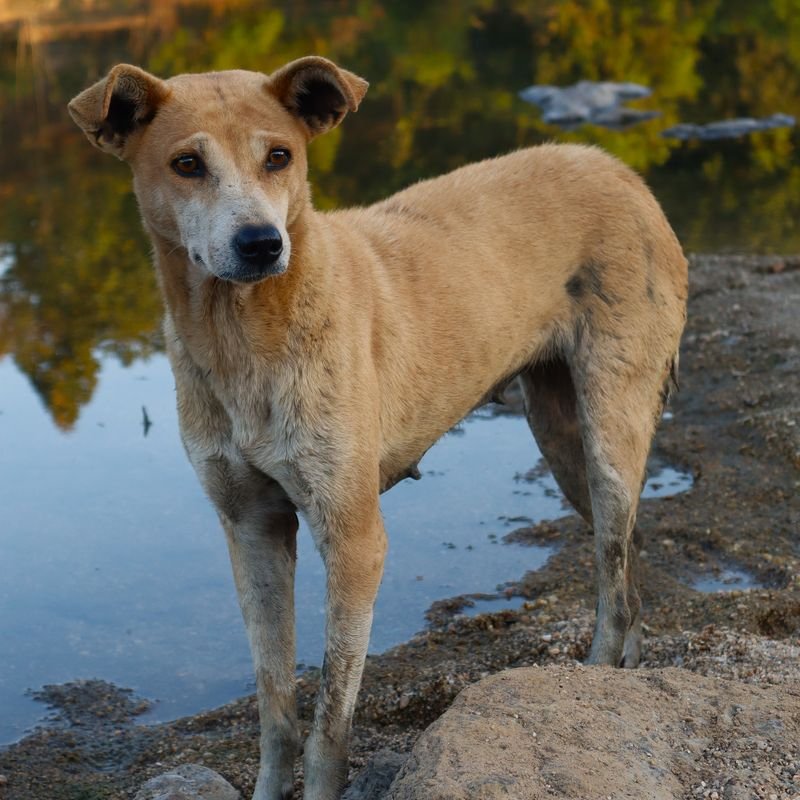 Indie
Indie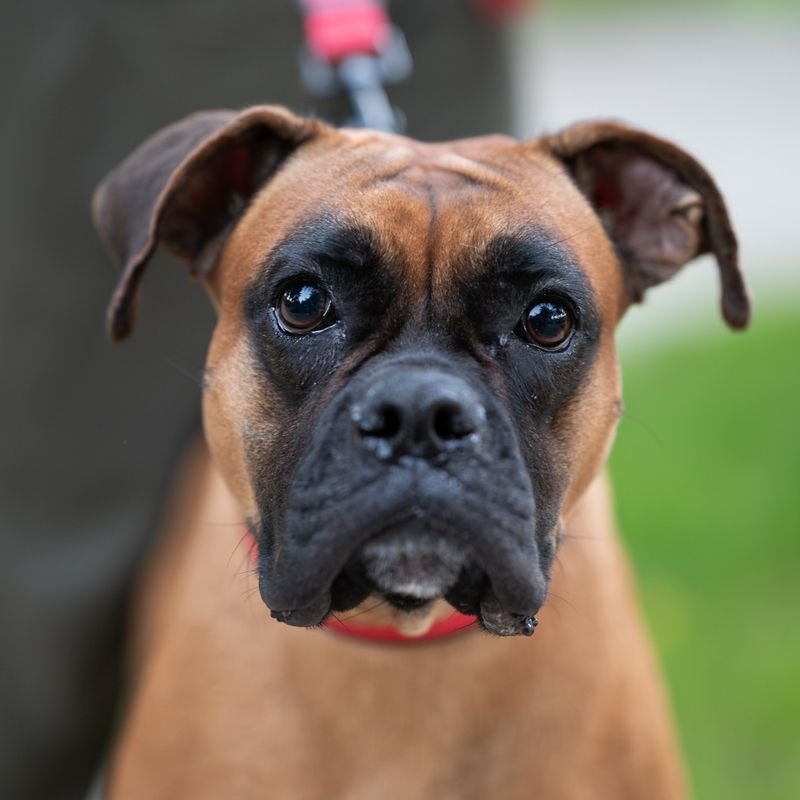 Working
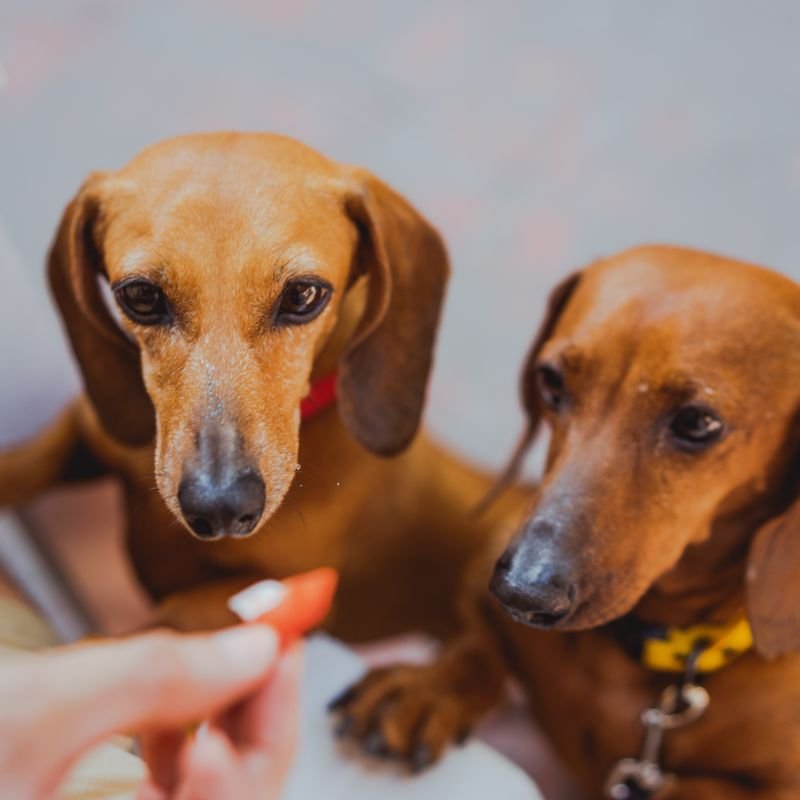 Hound
Hound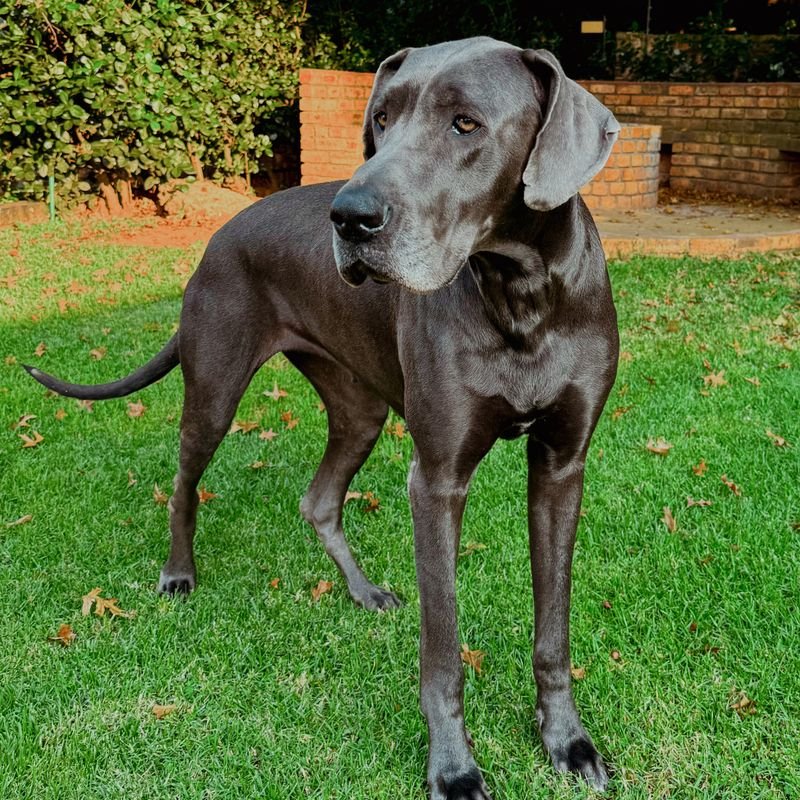 Giant
GiantWe train these and plenty more, mixed breeds very much included. One honest exception: if a large, powerful dog is genuinely biting or guarding resources, that is a safety case for a veterinary behaviourist, not a training package. We'll say so and point you the right way. 💛
Ready to start now — no demo needed? Enrol in Basic at our best price and take an extra ₹2,000 off. Prefer a free demo first? Every other program below still offers one.
Home behaviour and daily manageability — the complete foundation program.
≈ ₹500 / session · ₹6,000/month
Trusted by 15,000+ Mumbai pet parents.
Unlock this extra ₹2,000 at checkout with your number.
Deeper transformations, more sessions, a higher trainer tier. Start with a free at-home demo — or pay now to begin straight away.
Control in real-life situations — walks and home manners.
≈ ₹661 / session · ₹7,930/month
Good to know: this ₹4,000 discount also applies if you book a free demo first. (Basic Training runs its own ₹2,000 offer, above.)
Slide to what you can spend and the matcher maps it to a real program — sessions, months and the skills your dog walks away with.
Puppy classes, obedience, guard-breed handling and behaviour work are available across the whole Mumbai Metropolitan Region — with a professional at your door.
How the first class works, which cases we can't take, and how the method changes by breed type.
30 minutes to 1 hour, at your home — your flat, lobby or building compound, anywhere in Mumbai MMR. We don't run centres, so there's nowhere to travel to and no unfamiliar room for your dog to adjust to. It covers a behaviour read, your dog's first drill, and a walk-through of which level fits.
Fill the form or call 88899 91800 (9 AM–9 PM, all 7 days). Our representative calls you back to confirm the timing and location, answer questions about your dog's behaviour, and explain the programs — which start at ₹12,000 (₹6,000/month) for the complete Basic course. Calling gets you priority slot booking. Nothing is charged to book, and the trainer does not collect payment at your home.
Your dog's usual treats or kibble, its leash and collar, and a room where you can shut out distractions for the first fifteen minutes. Don't feed a heavy meal right before — a slightly hungry dog works better for food-reward training.
We are not taking active aggression cases in large powerful breeds — including Pitbulls, Rottweilers, German Shepherds and Huskies. We would rather say so plainly than take the case and manage it badly.
1. Bite risk isn't a training variable. With a 30 kg-plus dog, one failed repetition can put a family member, a neighbour, a child in a lift or our own professional in hospital. That risk isn't acceptable in shared residential housing.
2. Aggression is often medical first. Pain, thyroid dysfunction, neurological issues and vision loss all present as sudden aggression. Those need a veterinary behaviourist to rule out before any behaviour plan is valid — training a dog that is actually in pain is both ineffective and unkind.
3. It needs conditions a flat can't provide. Responsible rehab requires muzzle conditioning, controlled distance from triggers, a decoy setup and often months of managed exposure. One trainer in a 600 sq ft home with a lift outside cannot guarantee those margins.
What we do instead: we refer you to a veterinary behaviourist and can support the management plan around it. We do take early-stage reactivity, resource guarding, barking and puppy biting in these same breeds where there is no bite history — which is exactly when it's most fixable.
A bite history that broke skin, a dog that has snapped at a person or another dog, guarding food or a place with a freeze-growl-snap sequence, or aggression that appeared suddenly in a previously stable adult. If you're unsure, call and describe what happened — we'll tell you honestly whether it's a training case or a referral.
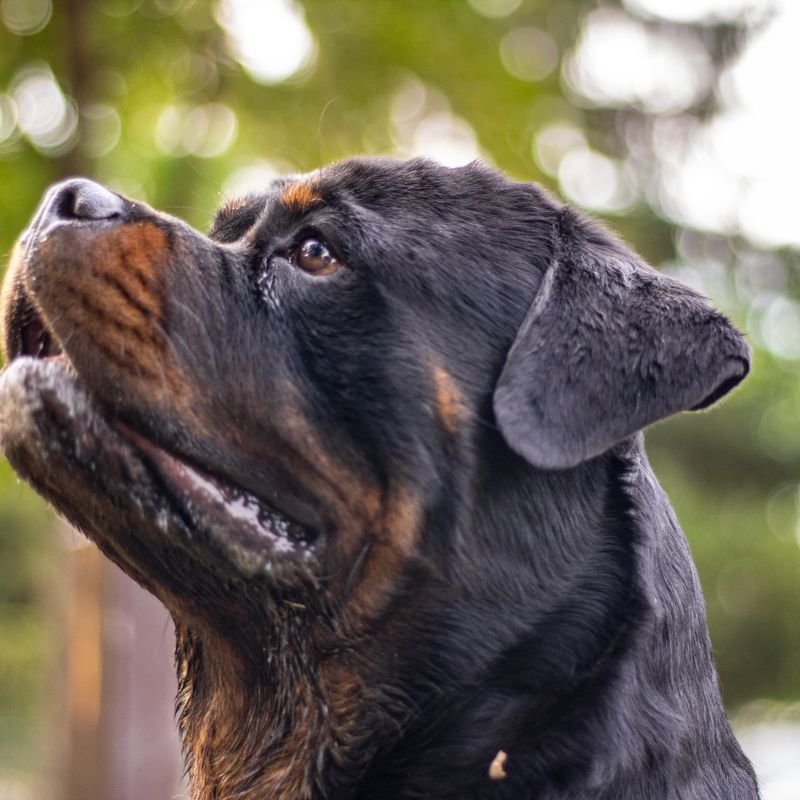
Guard breeds run a modified obedience track built around impulse control and handler focus rather than protection drills:
• Name response and recall under distraction — the single most useful safety behaviour in a large dog.
• Threshold work — waiting at doors, lifts and gates instead of surging through them.
• Structured territorial barking — the dog may alert, then is taught to stop on cue, so the instinct is channelled rather than suppressed.
• Controlled greetings for watchmen, couriers and house help in shared corridors.
• Place & settle — a default off-switch so a working dog can be calm in a flat.
• Loose-leash handling, because a 35 kg dog that pulls is a genuine safety problem on a Mumbai footpath.
German Shepherds specifically get more mental work — an under-worked GSD invents its own job, usually barking at the door — and a plan for adolescence at 7–18 months, which is developmental, not defiance. We do not teach bite work, attack or protection commands: in dense housing that raises bite risk and liability, and a guard breed with reliable obedience is safer and more useful than one trained to engage.
Scent- and stamina-driven dogs whose exercise requirement must be met before obedience will hold. Their programs front-load enrichment — scent games, food puzzles, structured sniff walks — alongside recall and loose-leash work.
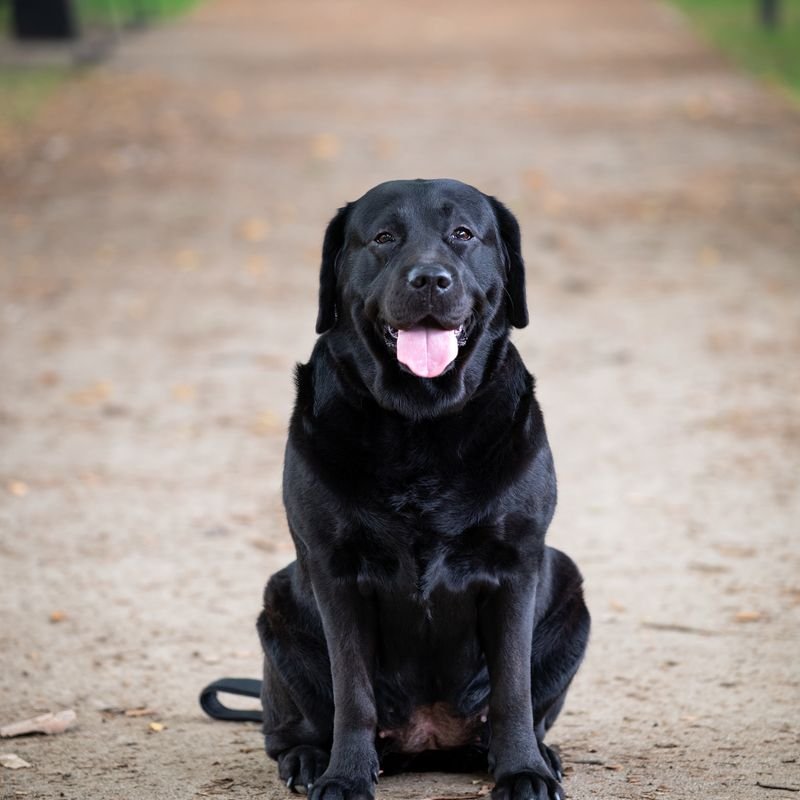
Huskies are famously poor off-leash recallers and we train to that reality rather than against it. Beagles follow their nose over any command, so recall is built with scent-level rewards. Labradors are food-motivated and fast to train but counter-surf and pull if the energy isn't spent first. Indies are quick learners and often the most environmentally resilient of the lot. In a flat with limited outdoor time, that mental workload is what prevents destructive behaviour.
Small dogs get away with behaviour a large dog never would, so problems get rehearsed for years before anyone calls. The apartment track prioritises:
• Potty routine — the number-one request, built on schedule rather than correction, with a transitional indoor spot moved gradually toward the door where lift trips are slow.
• Doorbell and visitor barking — small-breed alarm barking is the most common neighbour complaint.
• Handling tolerance — grooming, nail trims and vet handling, which flat-faced breeds need more of.
• Settle on a mat and independence work, so the dog isn't carried everywhere or panicking when left.
• Gentle socialisation — small dogs are easily overwhelmed by bigger dogs in a shared compound.
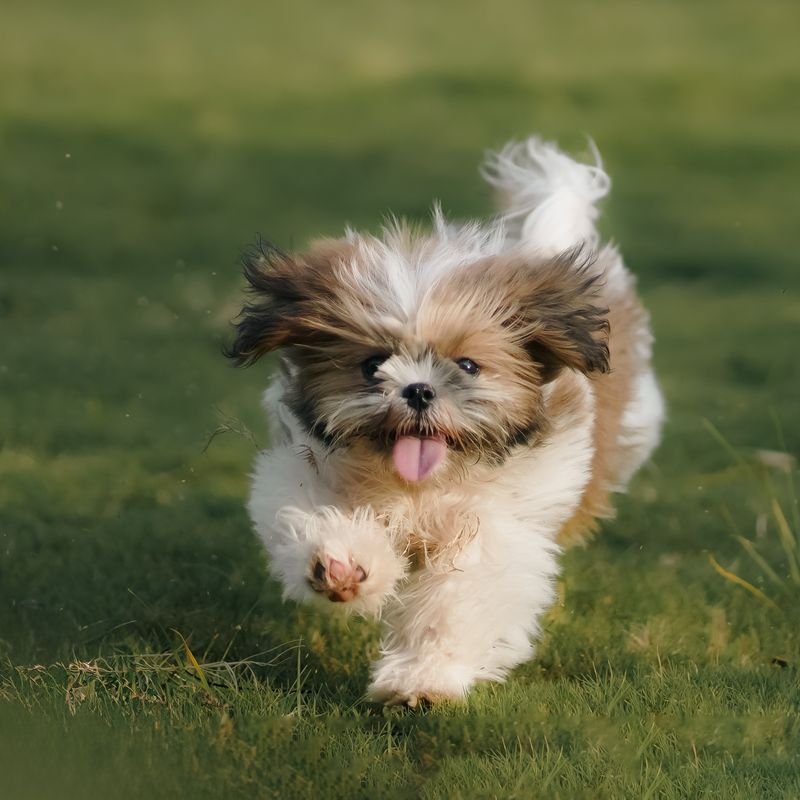
Brachycephalic breeds (Pug, Shih Tzu, Bulldog) also get shorter, cooler sessions — heat and breathing load are real constraints in Mumbai, not an excuse.
From 8 weeks, whatever the breed. The primary socialisation window closes around 16 weeks, and what a puppy calmly meets before then — lifts, strangers, traffic, umbrellas, other dogs, delivery staff — shapes how it reacts for life. For large breeds it matters even more: they gain 3–4 kg a month in year one, so a habit that's manageable at 10 kg is a physical problem at 30 kg.
What actually changes a dog's behaviour, how long it takes, and the questions Mumbai pet parents search most.
Positive-reinforcement methods grounded in animal-behaviour science, not tradition. Three mechanisms do most of the work: a marker delivered within half a second of the behaviour, desensitisation worked below your dog's reaction threshold, and reinforcement thinned to a variable schedule so the behaviour survives without treats. No punishment, no fear, no aversive equipment.
Dogs connect a reward to whatever they were doing at that exact moment, not to what you intended. A treat handed over three seconds late rewards whatever happened three seconds later — often standing up. That's why we mark the instant with a word or click, then deliver food afterwards.
For pet dogs in homes, yes. Punishment can suppress a behaviour without changing the emotion driving it — a dog that stops growling because growling was punished may still bite, only now without warning. That's a worse outcome than the growl. Reinforcement changes the underlying association, which is why we work below threshold rather than correcting reactions.
Above a certain arousal level the stress response takes over and learning stops — nothing you say lands. Barking and lunging aren't disobedience, they're over-arousal. We find the distance at which your dog still notices the trigger but stays calm, pair it with something good, and close the gap week by week.
The behaviour-change side of training, as distinct from obedience. Instead of teaching a new cue it changes how your dog feels about a trigger, using desensitisation (working under threshold) and counter-conditioning (pairing the trigger with something good until it predicts good things). A dog that lunges at the lift isn't disobedient — teaching "sit" won't fix it; changing the emotional response will.
Different skills settle on different clocks — which is why our programs are sold in fixed lengths rather than as one course. Toilet training takes about 2 months. The routine starts in month one: out after sleep, after food and after play, correct-spot reinforcement, and accident management. Month two is where consistency lands — fewer accidents and real holding time. That is exactly why Basic Training is 24 sessions across 2 months. By month three it becomes reliable, including an outdoor toilet preference. Everything else keeps building past 3 months. Name response, sit and come show up in the first few weeks. Leash walking, settle-on-place, door and guest manners, impulse control and off-leash recall all need proofing across contexts — the lift, the lobby, the street, with distractions — so they sit in the 3, 4 and 6-month levels by design. Anyone promising a finished dog in a week is selling a trick, not a habit. Your free first class ends with the level we actually think your dog needs
The complete Basic program is ₹12,000 — 24 at-home sessions over 2 months (about ₹500 a session, ₹6,000/month). Longer programs run up to 144 sessions (12 months), working out to roughly ₹500–₹671 per session depending on level. Your first class is free, and there's no charge for the assessment and recommendation.
Puppy biting is teething and exploration, not aggression. It usually peaks between 8 and 16 weeks and fades by 6–7 months with the right handling. The method is bite-inhibition work: redirect onto an appropriate chew, and the moment teeth touch skin the game stops — so your puppy learns biting ends the fun. Avoid pulling your hand away fast (it looks like play) and avoid punishment, which adds arousal and usually makes mouthing worse.
Both run on routine and reinforcement, not correction. Take your puppy out after waking, after eating and after play, plus every 2–3 hours at first, and reward within seconds of it finishing — outdoors, not once you're back inside, or you've rewarded coming home. Never punish an accident you find later; your dog can't connect it to the act.
The crate has to become a bedroom, never a punishment: door open first, meals inside, duration built in short sessions. A dog shut in a crate as a consequence learns to fear it, and you've lost the safest management tool you have.
Yes. Adult dogs often learn faster than puppies because their attention span is longer. Older dogs need more repetitions to overwrite an established habit, and we adjust session length for joint comfort — but the learning mechanism doesn't expire with age.
Behaviours fade if they're never reinforced again — the technical term is extinction. That's why programs end with a maintenance plan and app homework: a few repetitions a week keeps a trained behaviour alive. Dogs don't forget so much as they stop bothering when it stops paying.
Yes, and it matters more than most people expect. Your dog isn't the only one learning the cue — you are. Handlers who sit out sessions get a dog that performs for the trainer and ignores the family, which is the most common reason training "doesn't work".
Yes — behaviour work is delivered at your home like everything else, and for behaviour cases that's a requirement rather than a convenience: the trigger, the space and the household routine are all part of the problem, and none of them exist in a training hall.